Understanding the Structure of Organized Crime

Dr. iur. Verena Zoppei has provided a fascinating article on the unconventionality of the structures of organized crime today. Criminals want to ‘clean’ their money.  Professionals, particularly in banking and related industries, help criminals and are part of the new networks.  This article details how this comes about.
Understanding the Structure of Organized Crime

Serious and Organised Crime infiltration
Transcrime.it/MORE/

Unveiling the Structure of Unconventional Organized Crime

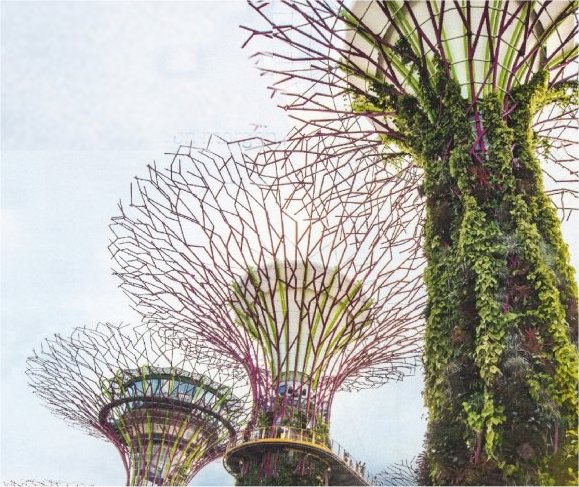
Unveiling the Structure of Unconventional Organized Crime  /  Super-Tree Singapore


G20 Tax records will be shared around the world by 2015

The participants of the Summit focused on investment and creating jobs, among other issues. The G20 Leaders Declaration has been published following the G20 Summit in St.Petersburg.

Tax records will be shared around the world by 2015 as part of a G20 pledge to crack down on individual tax cheats and global corporations with complicated arrangements aimed at paying as little tax as possible.

The topic of taxation in a global economy has become a major political issue of late, as multinational firms like Apple and Starbucks have faced scrutiny over their corporate structures. Further, investigative reports into the use of offshore tax havens by the world’s wealthiest individuals added momentum to the view that governments are getting short-changed of much needed revenue.

G20

WEF: Global Competitiveness

WEF World Economic Forum

The Report 2013-2014 assesses the competitiveness landscape of 148 economies, providing insight into the drivers of their productivity and prosperity. The Report series remains the most comprehensive assessment of national competitiveness worldwide. WEF_GlobalCompetitivenessReport_2013-14

The report’s Global Competitiveness Index (GCI) places Switzerland at the top of the ranking for the fifth year running. Singapore and Finland remain in second and third positions respectively. Germany moves up two places (4th) and the United States reverses a four-year downward trend, climbing two places to fifth. Hong Kong SAR (7th) and Japan (9th) also close the gap on the most competitive economies, while Sweden (6th), the Netherlands (8th) and the United Kingdom (10th) fall.  


The United States continues to be a world leader in bringing innovative products and services to market. Its rise in the ranking is down to a perceived improvement in the country’s financial market as well as greater confidence in its public institutions. However, serious concerns persist over its macroeconomic stability, which ranks 117 out of 148 economies.


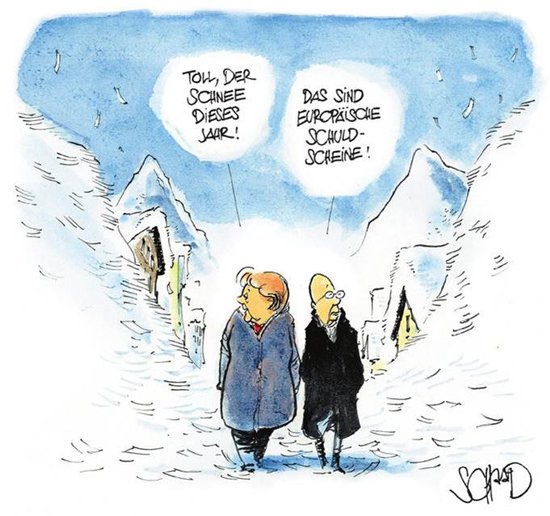
In the cartoon above, Ms. Merkel says to Mr. Schwab (founder of the WEF): “Great, all the snow this year!” Mr. Schwab responds: “That’s not snow, it’s European debt paper!”
WEF

The Global QE Exit Crisis

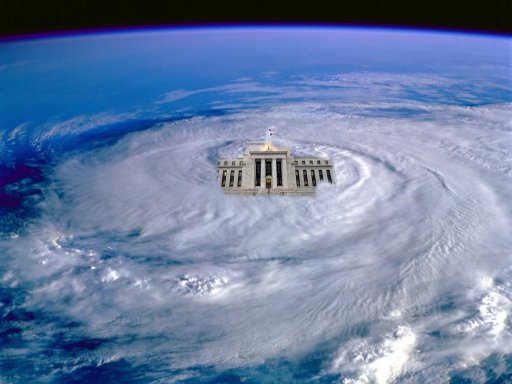
The global economy could be in the early stages of another crisis. Once again, the US Federal Reserve is in the eye of the storm.

As the Fed attempts to exit from so-called quantitative easing (QE) – its unprecedented policy of massive purchases of long-term assets – many high-flying emerging economies suddenly find themselves in a vise. Currency and stock markets in India and Indonesia are plunging, with collateral damage evident in Brazil, South Africa, and Turkey.

The Fed insists that it is blameless – the same absurd position that it took in the aftermath of the Great Crisis of 2008-2009, when it maintained that its excessive monetary accommodation had nothing to do with the property and credit bubbles that nearly pushed the world into the abyss. It remains steeped in denial: Were it not for the interest-rate suppression that QE has imposed on developed countries since 2009, the search for yield would not have flooded emerging economies with short-term “hot” money…
The Global QE Exit Crisis 

Federal Reserve Is In The Eye Of The StormFederal Reserve is in the eye of the storm

Raising the Profile of Women’s Participation in Finance

GENDER issues are topical and trending and the women folks are raising the bar with campaigns and greater participation in knowledge-based skills that equip them to take on the challenge. But the Association of Chartered Certified Accountants (ACCA), a global finance and accounting body, said that its diversity concept, which is intrinsic in all its operations, is a tool to overcoming the challenge….
Raising the profile of women’s participation in finance
Ethics

How Can Women in Papua New Guinea Get Access to Financial Services?

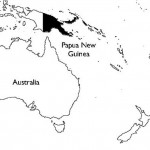
Women constitute approximately 50% of the country’s 7 million people but Papua New Guinea-mapedisproportionally represent less than 30% of total financial services portfolio in the country. They represent an untapped population of economically active low-income businesswomen, who are also household financial managers, making a large volume of transactions. All participating commercial banks and micro banks concurred that women represent an important market segment for them and at today’s workshop, made a commitment to increase outreach to women to 50% of total portfolio by 2015.
How Can We Deepen Womens Access to Financial Services

Papua New GuineaLine Waelgaard. Papua New Guinea. Winnie Weoa. This shows the daily life of village women in the highlands of Papua New Guinea.

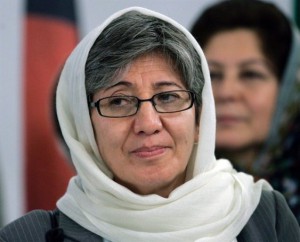
Corruption fighter, Afghan woman, rights group finalists for UBC integrity prize

An international human rights group, an Indian corruption fighter and a campaigner for Afghan women’s rights are the finalists for a $100,000 human-rights prize to be handed out by the University of British Columbia’s law school.

It is the inaugural Allard Prize for International Integrity, which will be one of the largest awards in the world given out for efforts to combat corruption and promote human rights…
Corruption fighter, Afghan woman

Corruption fighter, Afghan woman