UNODC United Nations Office on Drugs and Crime

Islamic Republic of Afghanistan High Office of Oversight and Anti-Corruption

CORRUPTION IN AFGHANISTAN: December 2012 Recent patterns and trends.

While corruption is seen by most Afghans as one of the most urgent challenges facing their country, it seems to be increasingly embedded in social practices, with patronage and bribery being an acceptable part of day-to-day life. For example, 68 per cent of citizens interviewed in 2012 considered it acceptable for a civil servant to top up a low salary by accepting small bribes from service users (compared to 42 per cent in 2009). Similarly, 67 per cent of citizens considered it sometimes acceptable for a civil servant to be recruited on the basis of family ties and friendship networks (up from 42 per cent in 2009).

The survey was based on a representative sample of 6,700 Afghan citizens aged 18 and above interviewed across Afghanistan. Of the respondents, 42 per cent were women. Corruption report Afghanistan UNODC United Nations Office on Drugs and Crime


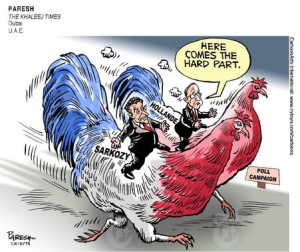
Is Austerity the Problem?

British Chancellor of the Exchequer Osborne’s latest embarrassment is his own fault. He often justifies his austerity-first fiscal policy by saying that, without it, the country’s triple-A rating would be in jeopardy. He attacked the previous government and even called for an election when public debt was put on negative credit watch in 2009. Judged by his own criterion, he has flopped.  Article

Belt Tightening

Anti-Corruption Working Group Meeting opens in Moscow

Anti-Corruption Working Group Meeting opens in Moscow

Opening the Anti-Corruption Working Group Meeting (ACWG) Dmitry Feoktistov, the Co-Chair of the meeting and Deputy Director of the Department on New Challenges and Threats of the Russian Ministry of Foreign Affairs, noted that in accordance with the working group principles the agenda is focused on the consistent discussion of the G20 Anti-Corruption Action Plan for 2013-2014. Within the course of the first ACWG meeting the discussion will be organized around four core topics: combating foreign and domestic bribery, international cooperation, cooperation with the private sector and civil society and enhancing transparency and accountability. Moreover, this year Russia has introduced several new proposals for the ACWG agenda. One of the suggestions deals with exploring the positive impact of robust anti-corruption policies on growth. G20 AC news

Background information

The G20 Anti-Corruption Working Group (ACWG) was established in June 2010, at the Toronto Summit. Its primary goal was to prepare “comprehensive recommendations for consideration by Leaders of how the G20 could continue to make practical and valuable contributions to international efforts to combat corruption.

Laws are one thing, enforcement quite another. Public pressure may not create political will among decision-makers. Anti-corruption laws can be politicised and used for partisan purposes.No corruption 1



South Korea’s President Park