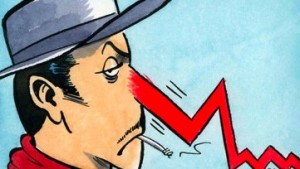
Argentina is the only member of the Group of 20 nations that is refusing to allow the IMF to do its annual mandatory review of the country’s economy, a procedure known as an Article IV consultation. Somalia Venezuela, Ecuador and Madagascar are the other countries where there’s been no such assessment in more than 18 months, according to the fund. Article
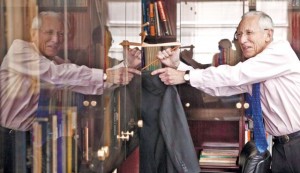
Stanley Fischer Steps Down. Led Bank of Israel Through Tough Times
What are the ingredients of Fischer’s success? Fischer, 69, has spent his entire life as a witness to the extent to which politicians, not economists, dictate economic decisions. And after achieving most of his goals during his term in office, now he’s looking for a new challenge. What interests him? Over the past years his name has come up as a possible candidate to succeed Shimon Peres as Israel’s president, but Peres isn’t going anywhere and Fischer has convinced everyone who has inquired that he isn’t interested in the position. Close associates of the governor, however, say his real dream lies elsewhere: He wants to be Israel’s foreign minister. This is an interesting proposition: Fischer has a better international reputation than any other Israeli and would be welcome anywhere he chooses to go throughout the world. He truly believes that he could accomplish things no previous foreign minister has been capable of, including advancing the peace process. Article
The Personal Finance Industry Wants Ladies to Think They’re Helpless
The personal finance industry would rather pressure women into letting professionals handle
their money than give them the tools to do it themselves, according to this great but frustrating excerpt from Helaine Olen’s new book Pound Foolish: Exposing the Dark Side of the Personal Finance Industry…article
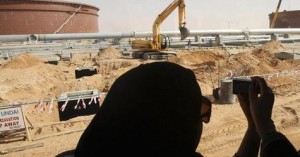
Saudi company to finance 250 women-run projects
Bena’a Productive Families Center (Jana) in the Eastern Region and the Saudi Arabia
n Oil Company have signed a partnership deal to develop skills amongst women to own and run small-scale projects in different parts of the Kingdom….
Jana plans to create 9,500 jobs for women next year in eight cities including Khobar, Dammam, Ihsaa, Qasim, Hail, Jazan, Arar and Jouf where the program will enable women to master their own productive tools and possess the ability to develop them economically and socially through Jana branches kingdom-wide, he said…article
The Middle East: Reassessing the Muslim Brotherhood.
Foreign Affairs has a profound article on how the west went wrong in the Middle East. Since the Muslim Brotherhood’s candidate, Mohamed Morsy, was elected president in June, the Brotherhood’s only real “consultation” has been with the Egyptian military, which the Brotherhood persuaded to leave power by ceding substantial autonomy to it under the new constitution. Among other undemocratic provisions, this backroom deal yielded constitutional protection for the military’s separate court system, under which civilians can be prosecuted for the vague crime of “damaging the armed forces.”
Is Europe Dreaming?
To most non-Europeans, it came as a genuine revelation that things were now so bad in Europe that one of its three major economies might want to leave it entirely. The immediate threat of collapse in the single currency may have been averted, but the big changes have yet to come. Article 
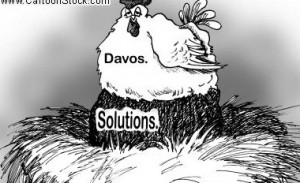
Davos Summary
Glass half full. The general mood was at its most upbeat since January 2007, when the financial system was as frozen as the Davos streets. Relief that most experts judged the financial crisis to be over at last outweighed concern that economic growth and job creation seems likely to remain sub-par for the forseeable future. (Christine Lagarde, boss of the International Monetary Fund, spoke of a “fragile and timid recovery”.) Angela Merkel was among several European leaders to express optimism about the continent’s economic and political prospects. Even the finding of the Edelman Trust barometer that less than one in five people trust political and business leaders to tell the truth seems to have been shrugged off. Bankers instead took comfort in the finding that trust in banks has actually risen in the past year. Article
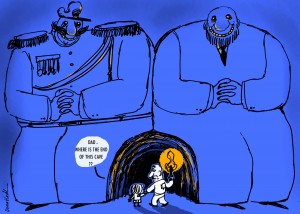
Dark Days in Egypt
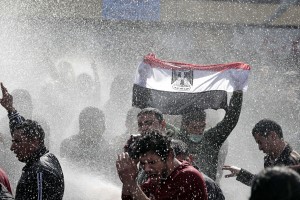
The past two days in Egypt looked at times like a slow-motion repeat of the revolution that toppled Hosni Mubarak two years ago: the marches, the gas, the shouted demands to topple the regime, and a miscalculated response by the president (Mr Morsi took to Facebook and Twitter to express his condolences to the families of those killed). Hard-nosed Suez, where the first demonstrator was killed in 2011, again provided the spark. Protesters ripped down police shacks and set government buildings alight. The police killed ten of those protesting.Article
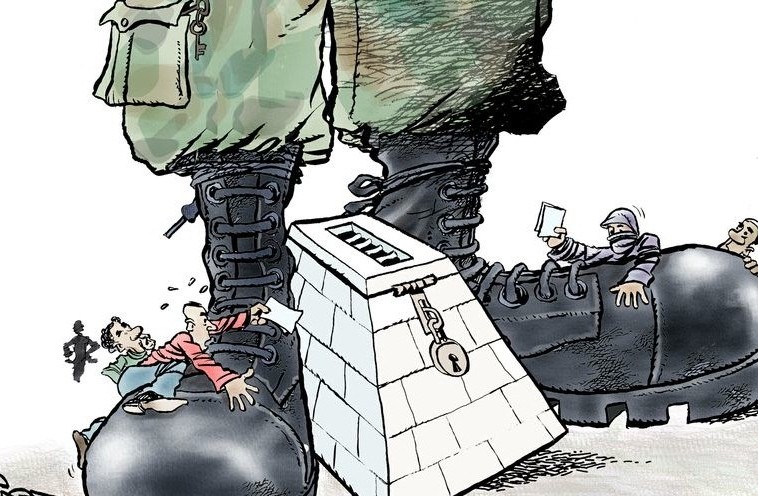
Cartoon courtesy Doaa El Adi
Should Telecom Companies Take a Political Position?
Whether they are rightly or wrongly accused of complicity in what are often government-led persecutions, [mobile operators] lack a consistent, industry-wide approach to the immense pressures they face in many different regions. Article
Good News: The Anti-Trust Officials are After You?
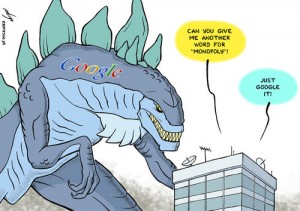
Ask Jack Dorsey, the co-founder of the social network Twitter and the mobile-payment start-up Square, what his two companies have in common, and he has a quick answer: “They’re both utilities.” Mark Zuckerberg might agree: he spent years trying to convince people that Facebook is not a social network but a “social utility.” It’s an intriguing choice of words for such of-the-moment entrepreneurs. Utilities tend to be boring, slow-growing beasts. They also—and this is the more important point—tend to be monopolies that are either regulated heavily by governments or owned outright by them. Article