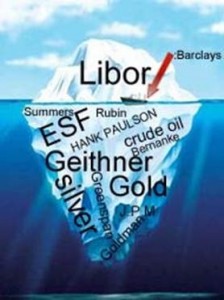
FInance guru Rosa M. Abrantes-Metz shows how statistical technqiues quickly point to financial irregularities. Libor is a case in point. In early 2008, the Wall Street Journal published a studyshowing that the borrowing-cost estimates banks submitted for the calculation of the benchmark interest rate were bunched much too close together and bore little relation to the banks’ riskiness as reflected in the market for default insurance. Together with co-authors Albert Metz, Michael Kraten and Gim Seow, Abrantes-Metz extended the analysis to show that nonrandom patterns in the banks’ reported borrowing costs started years earlier than the period examined by the Journal and also likely involved coordinated behavior among banks. The studies pointed to the widespread misbehavior that, four years later, is proving to be one of the biggest and most costly financial scandals in history. Article
Category Archives: Corruption
UNODC United Nations Office on Drugs and Crime
Islamic Republic of Afghanistan High Office of Oversight and Anti-Corruption
CORRUPTION IN AFGHANISTAN: December 2012 Recent patterns and trends.
While corruption is seen by most Afghans as one of the most urgent challenges facing their country, it seems to be increasingly embedded in social practices, with patronage and bribery being an acceptable part of day-to-day life. For example, 68 per cent of citizens interviewed in 2012 considered it acceptable for a civil servant to top up a low salary by accepting small bribes from service users (compared to 42 per cent in 2009). Similarly, 67 per cent of citizens considered it sometimes acceptable for a civil servant to be recruited on the basis of family ties and friendship networks (up from 42 per cent in 2009).
The survey was based on a representative sample of 6,700 Afghan citizens aged 18 and above interviewed across Afghanistan. Of the respondents, 42 per cent were women. Corruption report Afghanistan 
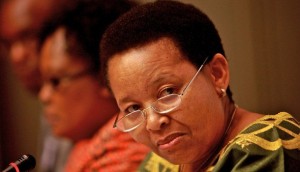
Report shows corruption within women and children department
Allegations of corruption and mismanagement have been highlighted in a secret report on the women, children and people with disabilities department…article
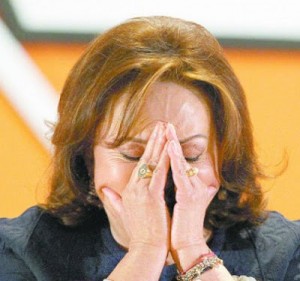
Mexico’s most powerful woman arrested on corruption

Anti-Corruption Working Group Meeting opens in Moscow
Opening the Anti-Corruption Working Group Meeting (ACWG) Dmitry Feoktistov, the Co-Chair of the meeting and Deputy Director of the Department on New Challenges and Threats of the Russian Ministry of Foreign Affairs, noted that in accordance with the working group principles the agenda is focused on the consistent discussion of the G20 Anti-Corruption Action Plan for 2013-2014. Within the course of the first ACWG meeting the discussion will be organized around four core topics: combating foreign and domestic bribery, international cooperation, cooperation with the private sector and civil society and enhancing transparency and accountability. Moreover, this year Russia has introduced several new proposals for the ACWG agenda. One of the suggestions deals with exploring the positive impact of robust anti-corruption policies on growth. G20 AC news
Background information
The G20 Anti-Corruption Working Group (ACWG) was established in June 2010, at the Toronto Summit. Its primary goal was to prepare “comprehensive recommendations for consideration by Leaders of how the G20 could continue to make practical and valuable contributions to international efforts to combat corruption.
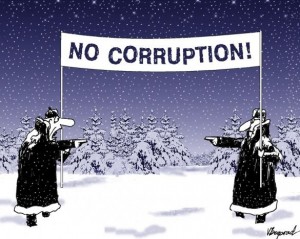
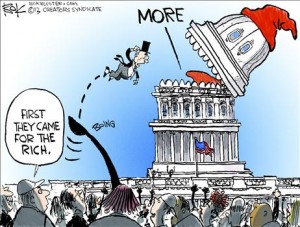
Laws are one thing, enforcement quite another. Public pressure may not create political will among decision-makers. Anti-corruption laws can be politicised and used for partisan purposes.
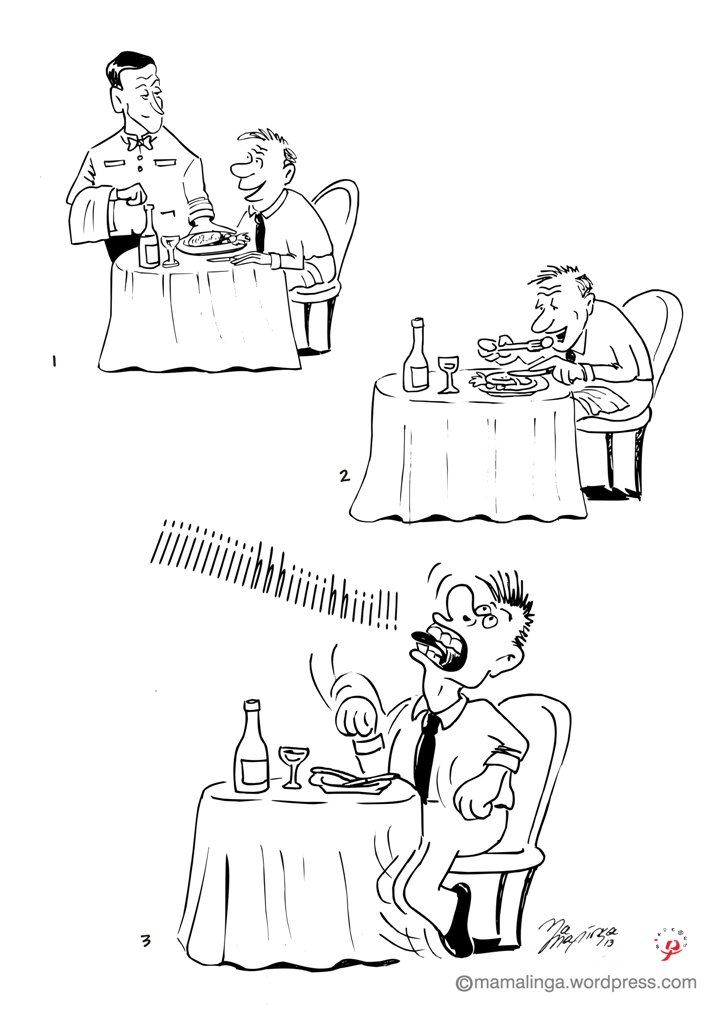
What meat do you prefer?
Horsemeat scandal: Major German supermarket is the latest to withdraw lasagne products, as David Cameron vows tough action. PM promises that everybody involved in the horse-meat scandal would face the full force of the law..article
Tax Havens: Legal and Not So.
Reform should thus focus on rich-world financial centres as well as Caribbean islands, and should distinguish between illegal activities (laundering and outright tax evasion) and legal ones (fancy accounting to avoid tax). The best weapon against illegal activities is transparency, which boils down to collecting more information and sharing it better. Thanks in large part to America’s FATCA, small offshore centres are handing over more data to their clients’ home countries—while America remains shamefully reluctant to share information with the Latin American countries whose citizens hold deposits in Miami. That must change. Everyone could do more to crack down on the use of nominee shareholders and directors to hide the provenance of money. And they should make sure that information about the true “beneficial” owners of companies is collected, kept up-to-date and made more readily available to investigators in cases of suspected wrongdoing. There are costs to openness, but they are outweighed by the benefits of shining light on the shady corners of finance. Article
Illicit Finances Flow in and out of Russia in Post-Soviet Era
The Russian economy hemorrhaged more than $200 billion to illicit financial outflows from 1994 through 2011, a new research report by Global Financial Integrity found.
Russia has also had a massive inflow of more than $550 billion over the same time span, which is drawn from the earliest year for which data are available following the dissolution of the Soviet Union, the report said…article
Report 
Major investigation involving Europol
A major investigation involving Europol and police teams from 13 European countries has uncovered an extensive criminal network involved in widespread football match-fixing.
A total of 425 match officials, club officials, players, and serious criminals, from more than 15 countries, are suspected of being involved in attempts to fix more than 380 professional football matches. The activities formed part of a sophisticated organised crime operation, which generated over ¤8 million in betting profits and involved over ¤2 million in corrupt payments to those involved in the matches. Europol 
Egyptians Turn to Black Market for Currency
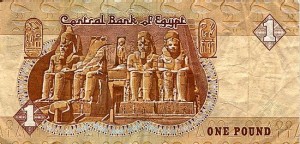
A run on Egypt’s pound has left foreign currency in short supply and driven some dealers into the streets in search of people with U.S. dollars to sell, spawning a new black market. The currency’s decline was triggered by a political uprising that swept Hosni Mubarak from power in 2011 and it has officially lost 8 percent of its value since Dec. 30. Article