The Loneliest Woman in Finance

As a 56-year-old investment manager and mother of four grown children, I read many articles about the issues facing women with demanding careers as well as families, such as Anne-Marie Slaughter’s article in The Atlantic and the Wall Street Journal piece about the lack of women in finance, assessing how closely the experience described mirrors my own. While most of these pieces explain how the pressure from competing forces results in many women leaving the workforce, they fail to mention a very significant issue: the impact on those of us who remain behind..article

Women in Prominent Roles in Bavarian Money-Laundering Scandal

The ex-husband Gustl Mollath of a bank officer is in psychiatric lock down for pointing out that his now ex-wife was money laundering.  Beate Merk, justice ministeress for Bavaria, says he was institutionalized by the book.  But, as the government of Bavaria appears near collapse over this miscarriage of justice, both women are in the spotlight.  Article   

Egyptian Markets Driven Down by Morsy’s Anti-Corruption Talk

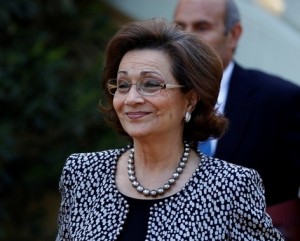
Suzanne Mubarak, the wife of Egypt’s deposed leader, was accused of money laundering earlier this year.  The withdrew $191 million from the Women for Peace Foundation she started in Geneva after the ousting of her family’s regime last February.  The WPF took in lots of money and showed no results whatsoever.  The Swiss federal investigators are currently looking into the financial violations committed by Mubarak and her deputy Aliya Bedary, who resides in Switzerland, and found money laundering and tax evasion estimated to be somewhere near $950 million.  Her nephew was recently detained in Dubai for fraudulent financial transactions. In the face of a thoroughly corrupt financial system, Morsy talks clean.  Loans from the IMF depend on this.  Article

US Aid Dollars into 19 powerful Afghan Pockets

  • 2004: Kabul Bank founded by international poker player, Sherkhan Farnood
  • September 2010: Kabul Bank taken over by the central bank after a run on the bank amid fears of its collapse
  • February 2011: Abdul Qadeer Fitrat, central bank governor, tells BBC those involved in bank’s woes should be prosecuted
  • February 2011: An IMF report recommends the bank be put in receivership
  • April 2011: Mr Fitrat, names in parliament prominent Afghan figures in connection with the Kabul Bank scandal
  • May 2011: Report by anti-corruption office shows $467m (£290m) of outstanding loans were made without appropriate collateral.

Afghanistan’s biggest private bank was a massive fraud scheme from its founding, with £540 million ($861 million) diverted to a clique of beneficiaries including the president’s brother, a British-funded audit has found.  Article