Cyprus Taxing Russians to Pay for Bank Bailout?

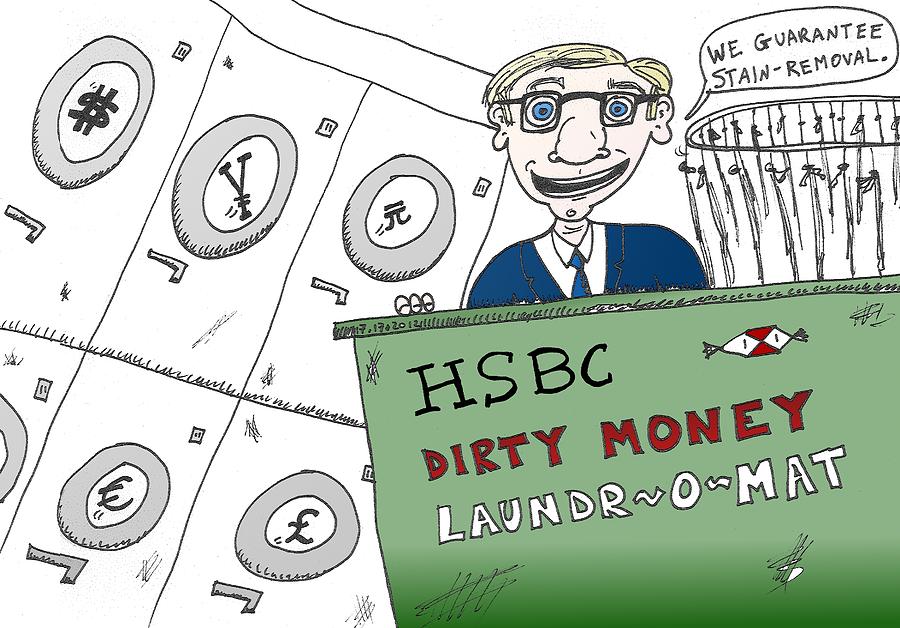
The depositor haircuts seem to have beennecessary to get political support for a bailout deal in the EU.  Political support in the EU was necessary because Cypriot banks had assets somewhere in the neighborhood of 8 times the Gross Domestic Product of Cyprus.  And just to bring it full circle, the banking system had grown to such grotesque, hypertrophied proportions because Cypriot bank accounts seem to be a favorite of tax-dodging Russian oligarchs . . . which is why it was politically necessary to give depositors such a large haircut.  Article


Credit Raters Looking Hard at New Bank Bundled Mortgages

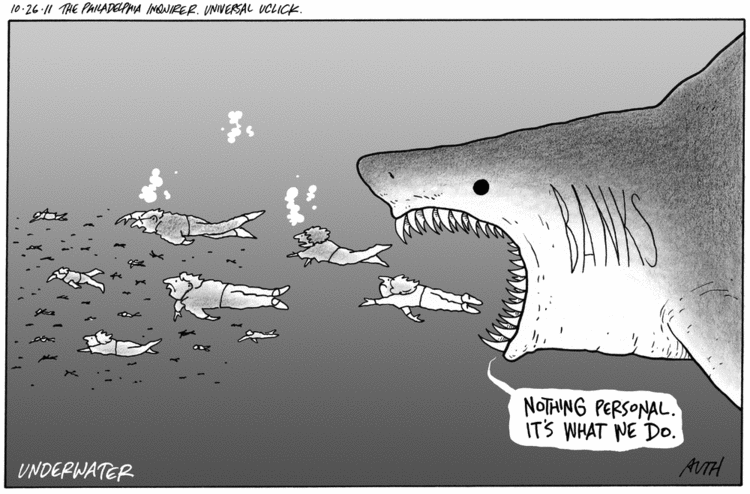
As banks contemplate bundling mortgages again, the one silver lining is that the banks haven’t yet proved to be too big to nail, as the wronged purchasers and insurers of their toxic bonds have been waging an occasionally successful multiyear legal battle against the banks and, indirectly, actually punishing them financially for their misconduct. It, therefore, shouldn’t be surprising that, as the banks re-enter the securitization market, their biggest concern seemingly isn’t to ensure that they aren’t once again peddling fraudulent products that might bring government scrutiny, but rather to deal with private civil litigation.  Articleunderwater

Learning from Iraq

 A Final Report From the Special Inspector General for Iraq Reconstruction

A Final Report From the Special Inspector General for Iraq Reconstruction culminates SIGIR’s nine-year mission overseeing Iraq’s reconstruction. It serves as a follow-up to our previous comprehensive review of the rebuilding effort, Hard Lessons: The Iraq Reconstruction Experience. Report Sigir Learning from Iraq

Video: US Wasted Billions in Rebuilding IraqLearning from Iraq


JP Morgan Not Too Big to Cheat

Jamie Dimon dismissed accounts of trading losses in “The Whale”  as a “tempest in a teapot.”
“None of those statements made on April 13 to the public, to investors, to analysts were true,” Carl Levin, chair of the US Senate Committee on Investigations,  said. “The bank also neglected to disclose on that day that the portfolio had massive positions that were hard to exit, that they were violating in massive numbers key risk limits.”
Braunstein, who stepped down in January as CFO and is still at the bank, will join Drew before the panel tomorrow. Ashley Bacon, JPMorgan’s acting chief risk officer, and Michael Cavanagh, who led the internal review of the losses and is now co-CEO for the corporate and investment bank, also are scheduled to testify.  Article

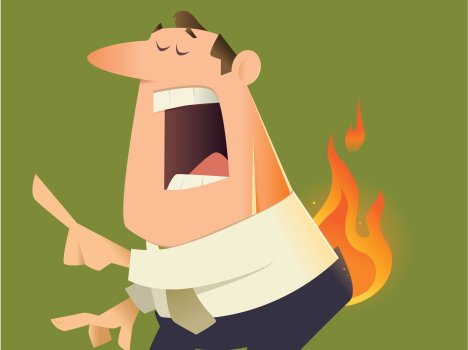
liar

Anti-Corruption is a Fundamental Principle

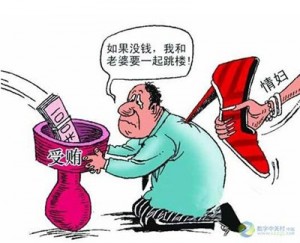
Brilliant legal scholar, Zephyr Teachout, writes in an important article:  “Understanding the history of corruption is profoundly importantat this time in history. Half of Americans are convinced that Congress is corrupt;12 strong evidence indicates that many members of Congress are enriched by their service; no-bid contracts and earmarks are regularly rewarded to people who use their wealth to affect public policy. According to Transparency International, the United States ranks eighteenth in its Corruption Perceptions Index.13 The revolving door between staffers and lobbyists, the lure of powerful contacts, the seductions of a wealthy community, and other forces all give regular work to what Hamilton called “the business of corruption.””

Has the concept of corruption, which is literally a threat to the integrity of self-government, lost its integrity.   Teachout argues for the return of an ‘anti-corruption’ principle in arguing US constitutional cases. Teachout convincingly says that modern American citizens consider corruption to be one of the biggest threats to government.  The internal decay of our government may reflect the absence of anti-corruption standard.  Article: teachout-final

constitution-cartoon